

 For years, we’ve heard the frustrations of principals, HR Directors, training managers, and many others in architectural and engineering firms. They are investing in training and developing their project managers, but have no easy way to measure where the greatest needs are, which project managers need the most (and least) training, and which individuals really have what it takes become a project manager.
As a result, firms are faced with wasted training dollars, diminished project delivery performance, and an endless cycle of guessing what the fix is. And personality profiles and tests are of little or no use for architecture and engineering firms. That is, until PSMJ teamed up with Talent Matters to create the newest Harrison Assessment Job Success Formula (JSF)—one specific to the project manager role in the AE industry.
About 100 project managers from seven engineering and architecture firms helped create the newest job success formula, which offers the insight of the Harrison Assessment Performance Benchmarking methodology combined with the specific performance ratings of project managers that excel in the AE environment.
“We could not have completed the study without the support and active participation of Gannett Fleming, DLR Group, WK Dickson, Phillips Architecture, Hanson Inc., Banning Engineering, and WithersRavenel,” says PSMJ Principal David Burstein, P.E., AECPM. “We want to acknowledge their contribution and the commitment of time it took to accomplish performance ratings and promote participation among incumbent project managers.“
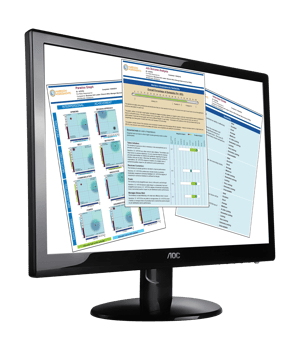 The methodology involves correlating the performance ratings of AE project managers—working engineers and architects managing significant projects—with 175 work-related traits the Harrison Assessment already measures.
“The work identified essential and desirable traits, and traits to avoid for this business-critical role,” explains Reid Tolley, President of Talent Matters LLC.
Essential traits are those that are distinct or different about highly-rated project managers. Desirable traits are behaviors that are shared by top performers, good performers, and average performers. Traits to avoid are those that are distinct about poorly-performing project managers. These are the behavioral tendencies that derail one’s effectiveness.
Firms with candidates for project management roles can administer the Harrison Assessment and compare the results to the Job Success Formula. This allows firms to flag skill gaps, and pinpoint the support the new person may need to get started. Firms can also have their PMs who are already working on projects take the assessment, and thus, uncover very specific behavioral terms and strengths, as well as development needs.
P SMJ's AE Project Manager Harrison Assessments are available on an individual basis or at attractive group rates. To learn more about how to put this tool to work for your firm, click on the button below.

You might be interested in this related content:
PSMJ’s Vickie Oakley discusses the benefits of the AE Project Manager Assessment Tool in her recent appearance on the AECPMA Podcast.
Members of AEC Project Management Association can get this assessment at membership rates: